
How to Set Up a Home Gym in Australia in 5 Steps (Even If You Only Have a Corner to Spare)

A home gym does not need to fill a garage, spare bedroom or dedicated studio. In fact, the best home gym setup in Australia is rarely the one with the most equipment. It is the one that fits your space, supports your goals and makes exercise easier to start.
So, what do you actually need? How do you choose equipment without wasting money? And how can you avoid buying a machine online that looks impressive but does not suit your body, home or routine?
Follow these five practical steps to create a home gym that works for you: even if you only have a corner to spare.
1. Define your goals before you buy gym equipment
The right home gym starts with a clear purpose. Before browsing fitness equipment for sale, ask yourself what you want your setup to help you achieve.
Are you aiming to:
- Improve general fitness and energy?
- Build strength and muscle?
- Lose weight?
- Support mobility and low-impact exercise?
- Train for a specific sport?
- Create a convenient space for the whole family?
- Recreate the feeling of a commercial gym at home?
Your answers will guide every later decision.
For example, someone who wants short, low-impact cardio sessions may benefit from an exercise bike, elliptical trainer or rower. Someone focused on progressive strength training may get more value from adjustable dumbbells, a bench, power cage or functional trainer. If you want a balanced setup, combining one compact cardio machine with versatile strength equipment can give you plenty of training options without overcrowding the room.
The key is to buy for the workouts you will realistically perform: not the imaginary version of yourself who trains twice a day.
At The Fitness Solution, our range covers everything from home-friendly cardio and adjustable weights to studio-grade and commercial equipment. Our team can help you match your goals with equipment that is practical, enjoyable and suitable for your experience level.
2. Measure your space: and plan for movement
A product’s listed dimensions are only the beginning. Your home gym also needs enough room for you to get on, get off, move safely and perform the exercises the equipment is designed for.
Start with a tape measure and record:
- The length and width of the available area.
- Ceiling height, especially if you are considering a rack, cable system or overhead exercises.
- The location of doors, windows, power points and walkways.
- The clearance around any equipment that folds, reclines, extends or moves.
- The route from your front door to the final position, including stairs, narrow hallways and lifts.
Use masking tape to mark the equipment footprint on the floor. Then test a few movements inside the marked area: squats, lunges, push-ups, rows and stretches. Can you move without hitting furniture or walls? Can another person safely walk past? Will you be able to clean and maintain the equipment?
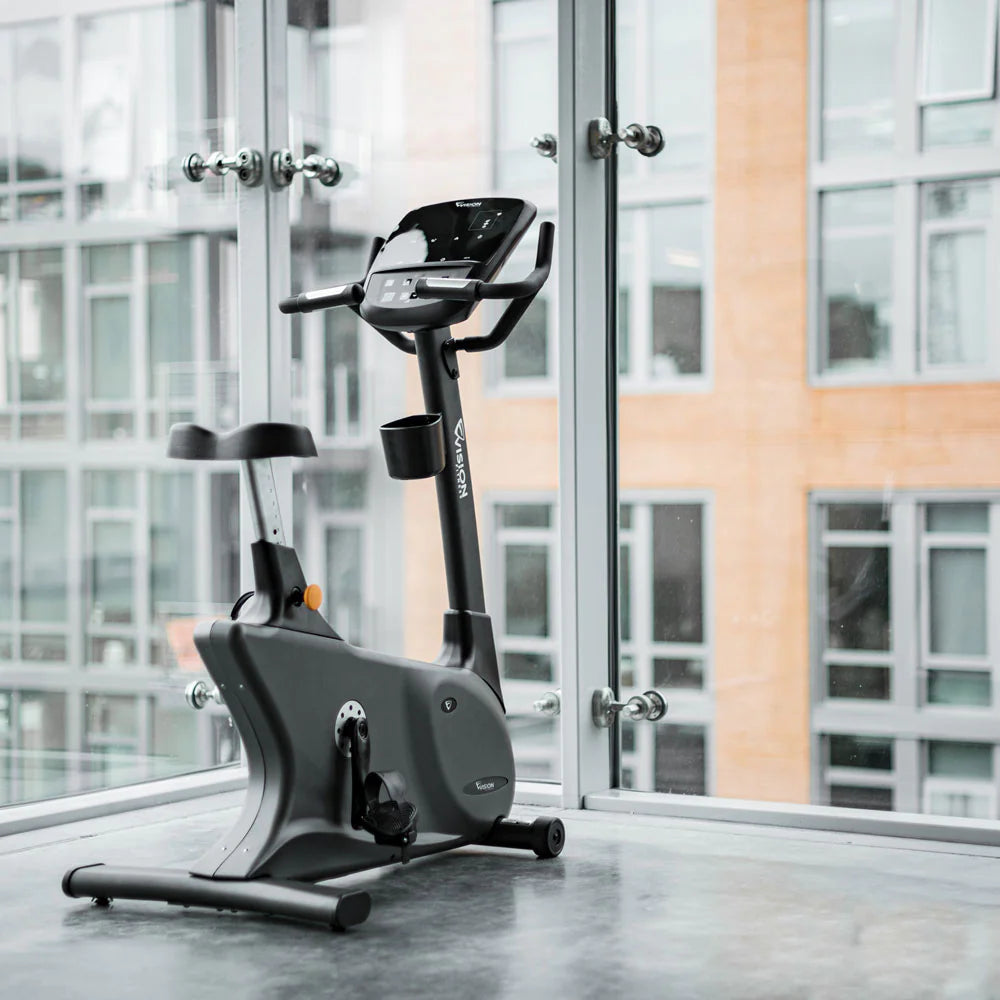
This matters particularly with treadmills, rowers and ellipticals. A machine may fit neatly into a corner when it is parked, but you still need room to use it comfortably. An upright bike, such as the Horizon Paros 3.0 Upright Bike, can be a space-conscious option, but seat adjustment, handlebar position and user access still need to work within your room.
If your space is limited, look for folding, compact or multi-use designs. However, never choose a smaller machine solely because it fits on paper. Comfort and safe movement are just as important as floor space.

3. Prioritise versatile equipment that earns its space
Small home gyms work best when every item has more than one purpose. Instead of filling the room with single-use products, choose equipment that supports a variety of movements and can grow with you.
Versatile starting points may include:
- Adjustable dumbbells for presses, rows, squats, lunges and carries.
- A bench for seated and supported exercises, dumbbell presses and step-ups.
- Resistance bands for warm-ups, mobility, pulling movements and accessory work.
- A training mat for core exercises, stretching and floor-based workouts.
- A functional trainer for cable exercises from multiple angles.
- A power cage or rack for more structured barbell training where space and experience allow.
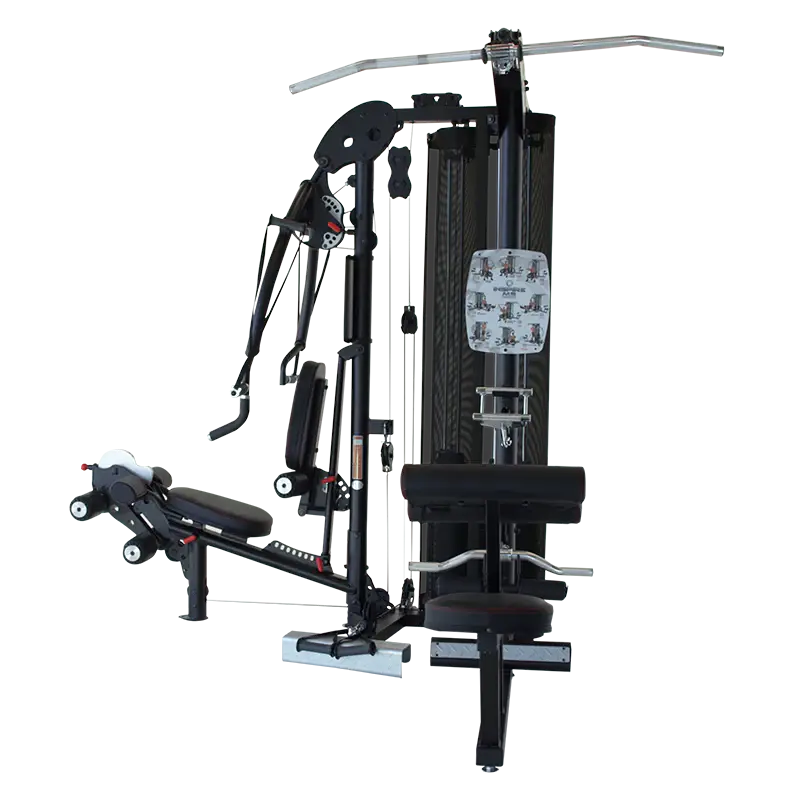
- A compact home gym or multi-gym for guided resistance exercises in one station.
There is no universal package that suits every Australian home. A beginner in an apartment may need a completely different setup from an experienced lifter with a garage. Your available space, flooring, noise considerations, training style and budget should all influence the decision.
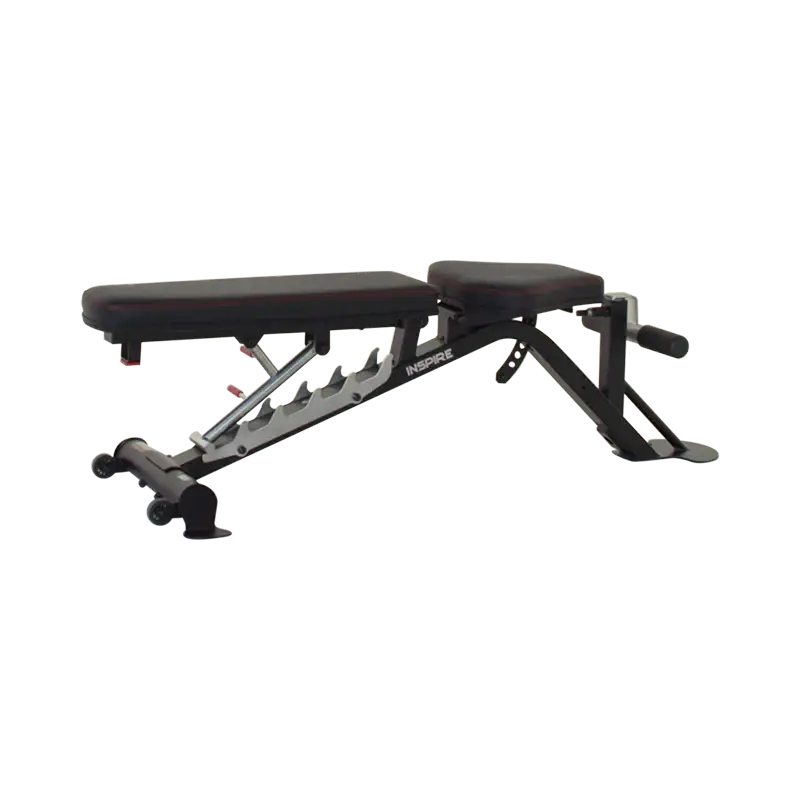
A good example of equipment designed for multiple exercises is the Inspire SCS Bench. Its adjustable positions support different movements, while optional attachments can expand its use over time. That may be more valuable than buying several separate pieces that quickly become clutter.
The same principle applies to larger equipment. An Inspire Power Rack can support structured strength training and includes multiple racking positions, but it requires careful consideration of ceiling height, floor space, safety and the equipment you intend to use with it.
Buy fewer items, but choose better. A compact home gym that you use consistently will always outperform a crowded room full of equipment you avoid.
4. Protect your floors, organise your equipment and plan for safety
Your home gym should protect both your body and your home. Flooring, storage and layout are not finishing touches: they are part of the equipment decision.
Choose suitable flooring
A quality gym mat or rubber flooring can help:
- Protect timber, tile and concrete floors.
- Improve stability under benches, bikes and strength equipment.
- Reduce vibration and noise.
- Make cleaning easier.
- Create a defined workout area.
Explore the flooring range to find options suitable for your setup. If you are lifting heavier weights, use flooring designed for the type of training you perform rather than relying on a thin general-purpose mat.
Keep equipment secure and accessible
In a small room, clutter becomes a safety issue quickly. Store dumbbells, bands, plates and accessories on suitable racks, hooks or shelves. Keep walkways clear and avoid leaving weights in areas where you may trip.
Place larger, heavier equipment on a stable, level surface. Check whether racks need to be secured, and follow the manufacturer’s instructions for assembly, use and maintenance. Regularly inspect cables, bolts, adjustment pins, bands and moving parts.
Good lighting and ventilation also matter. A hot, poorly ventilated corner is less inviting and may make your workouts unnecessarily uncomfortable. Could you comfortably train there in summer? Can you see adjustment points clearly? These practical details influence whether your home gym becomes part of your lifestyle or turns into expensive storage.
5. Build a routine that makes the equipment worthwhile
The final step is not choosing another product. It is creating a routine you can sustain.
A simple starting point is three planned sessions each week. Keep them achievable and focus on consistency before intensity. For example:
- Warm up for five minutes with gentle movement, marching, mobility drills or an easy pace on your bike or treadmill.
- Train the major movement patterns: squat, hinge, push, pull and carry.
- Add a short cardio or conditioning section if it supports your goals.
- Cool down with easy movement, stretching and controlled breathing.
- Record what you did so you can gradually increase repetitions, resistance, duration or control.
Your routine may use adjustable dumbbells and a mat one day, then a treadmill, bike or elliptical on another. If you prefer rowing, a rower can provide a full-body cardio option. If you want a guided resistance workout, explore home gyms and functional trainers.
The best equipment is the equipment you feel comfortable using. That is why trying products in person can make such a difference. You can test the seat, adjust the handlebars, feel the resistance, check the noise level and see whether the movement suits you: rather than relying on photographs and product descriptions alone.
Visit The Fitness Solution before choosing your setup
Shopping online can be convenient, but it does not always show you how a machine feels in real life. Will the seat support you? Is the stride comfortable? Does the bench feel stable? Can you reach the controls easily? Will the equipment fit your room and your training style?
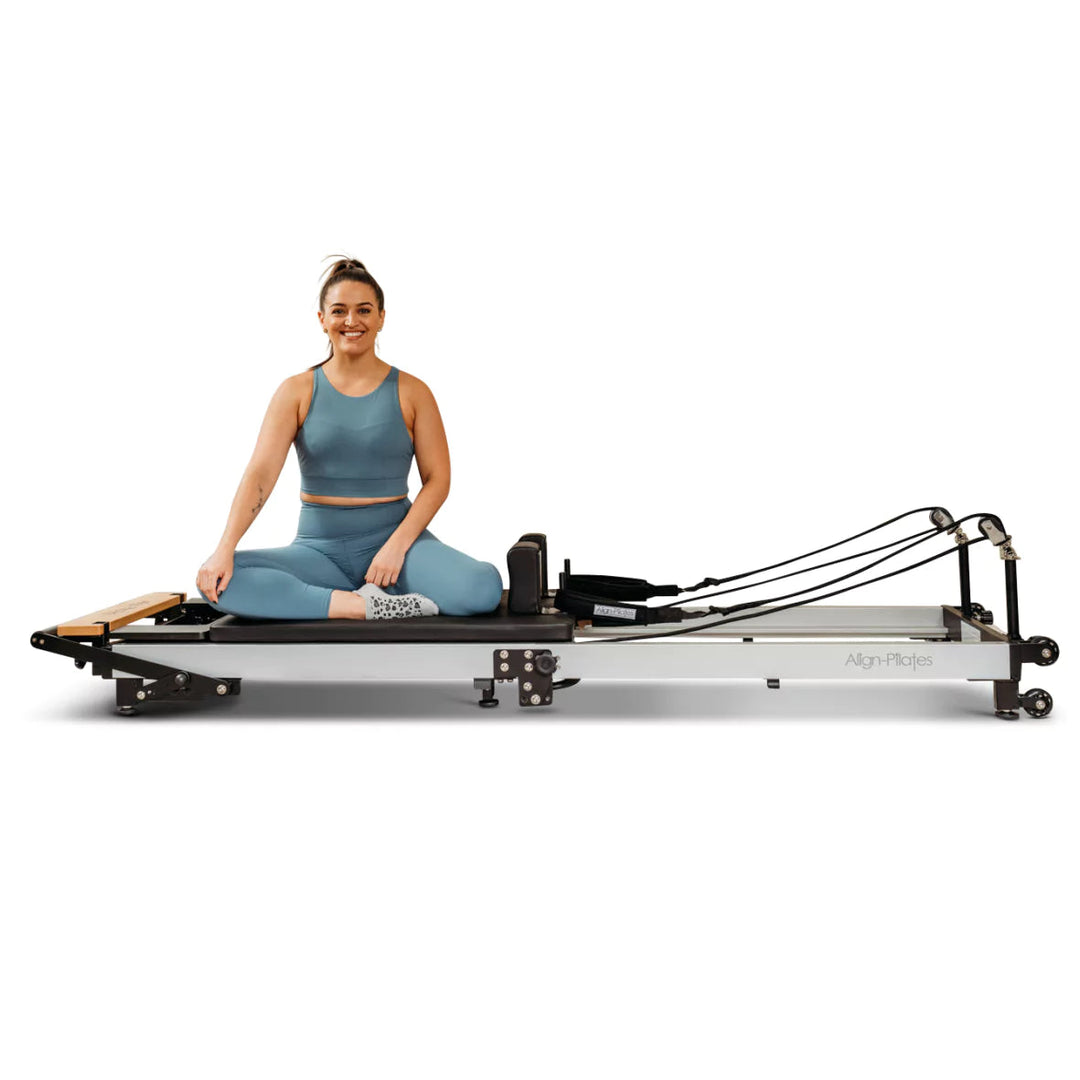
At The Fitness Solution, you can visit our Berwick showroom at 90 Enterprise Avenue, Berwick VIC 3806, speak with an experienced team and explore a broad range of gym and Pilates equipment. Our try-before-you-buy service helps you make a more informed choice, while our hire options can provide a practical way to experience suitable equipment before committing to a purchase.
We stock equipment for home gyms, studios, physiotherapy clinics and commercial facilities, including treadmills, bikes, ellipticals, rowers, dumbbells, benches, power cages, functional trainers, home gyms, mats and accessories.
Whether you have a dedicated garage or one spare corner, bring your measurements and goals into the showroom. We can help you create a home gym setup that fits your space, supports your lifestyle and gives you more opportunities to move.
Contact The Fitness Solution today or visit our Berwick showroom to try the equipment before you buy.